
ChatGPT's Launch and Record Growth
The chatbot that went mainstream overnight. ChatGPT launched in November 2022 and reached an estimated 100 million users in about two months. What it was and why it spread so fast.
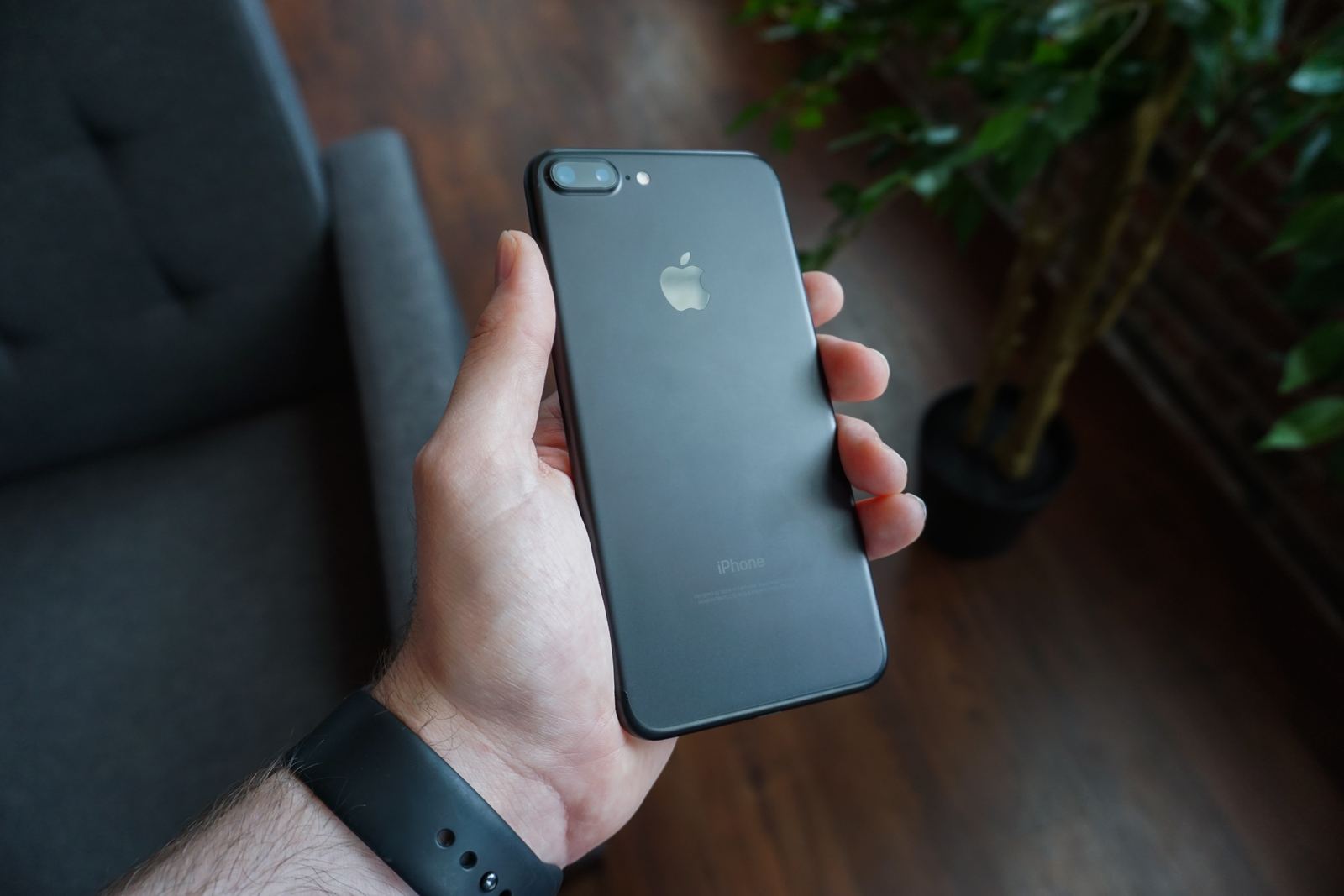
Chat assistants moved onto everyday phones: Dennis Cortés cortes, CC0
A quiet launch
On November 30, 2022, OpenAI released ChatGPT as a free research preview with a short blog post. The underlying technology was not brand new. OpenAI had offered GPT-3 to developers since 2020. What changed was the packaging: a simple chat window that anyone could open in a browser and talk to in ordinary language.
The model had been fine-tuned to follow instructions and hold a conversation, using a method in which human trainers ranked its answers and the system learned from those rankings. That made it far more helpful and polite than a raw text predictor.
Video: The 35 Year History of ChatGPT (Art of the Problem), embedded from YouTube.
ChatGPT hit an estimated 100 million users in 2 months
ChatGPT launched Nov 30, 2022 and reached an estimated 100 million monthly users by January 2023, per a UBS analysis.
YouTube @StrawberryLemonadAI (launching soon). Photos in this Short: BalticServers data center.jpg - BalticServers.com (CC BY-SA 3.0) via Wikimedia Commons | Diverse people using phones.jpeg - Rawpixel Ltd (CC BY 2.0) via Wikimedia Commons | Crowd of people with phones.jpg - Rawpixel Ltd (CC BY 2.0) via Wikimedia Commons | Sam Altman CropEdit James Tamim.jpg - TechCrunch (CC BY 2.0) via Wikimedia Commons | Ilya Sutskever and Sam Altman in TAU.jpg - Eladkarmel (CC BY-SA 4.0) via Wikimedia Commons | Business people using their phones.jpg - Rawpixel Ltd (CC BY 2.0)
Growth nobody expected
OpenAI's leaders said ChatGPT passed one million users in about five days. By early 2023, an analysis by the bank UBS based on web traffic data estimated it had reached around 100 million monthly users roughly two months after launch, which would make it one of the fastest growing consumer apps ever recorded. That figure is an outside estimate rather than an official count, but it captured how quickly the tool spread.
People used it to draft emails, explain homework, write code, plan trips and simply test its limits. Screenshots of clever and strange answers flooded social media, which brought in even more users.
The ripple effect
The launch set off a race across the technology industry. Microsoft deepened its partnership with OpenAI and added chat features to Bing. Google sped up its own assistant, then called Bard and later renamed Gemini. Anthropic, Meta and many startups released their own models. OpenAI followed with GPT-4 in March 2023 and kept adding features such as image input, voice and web browsing.
Schools, newsrooms and companies scrambled to write rules about AI use. Concerns about made-up answers, copyright and privacy moved from research papers into everyday conversation.
Why it felt different
Earlier AI mostly worked behind the scenes, ranking search results or tagging photos. ChatGPT put a large language model directly in front of the public and let people poke at it. That hands-on experience, more than any single technical leap, is why late 2022 is often treated as the start of the generative AI era. Years later, chat assistants are built into phones, search engines, office software and coding tools, and the simple text box that started it all remains one of the most familiar ways to meet AI.
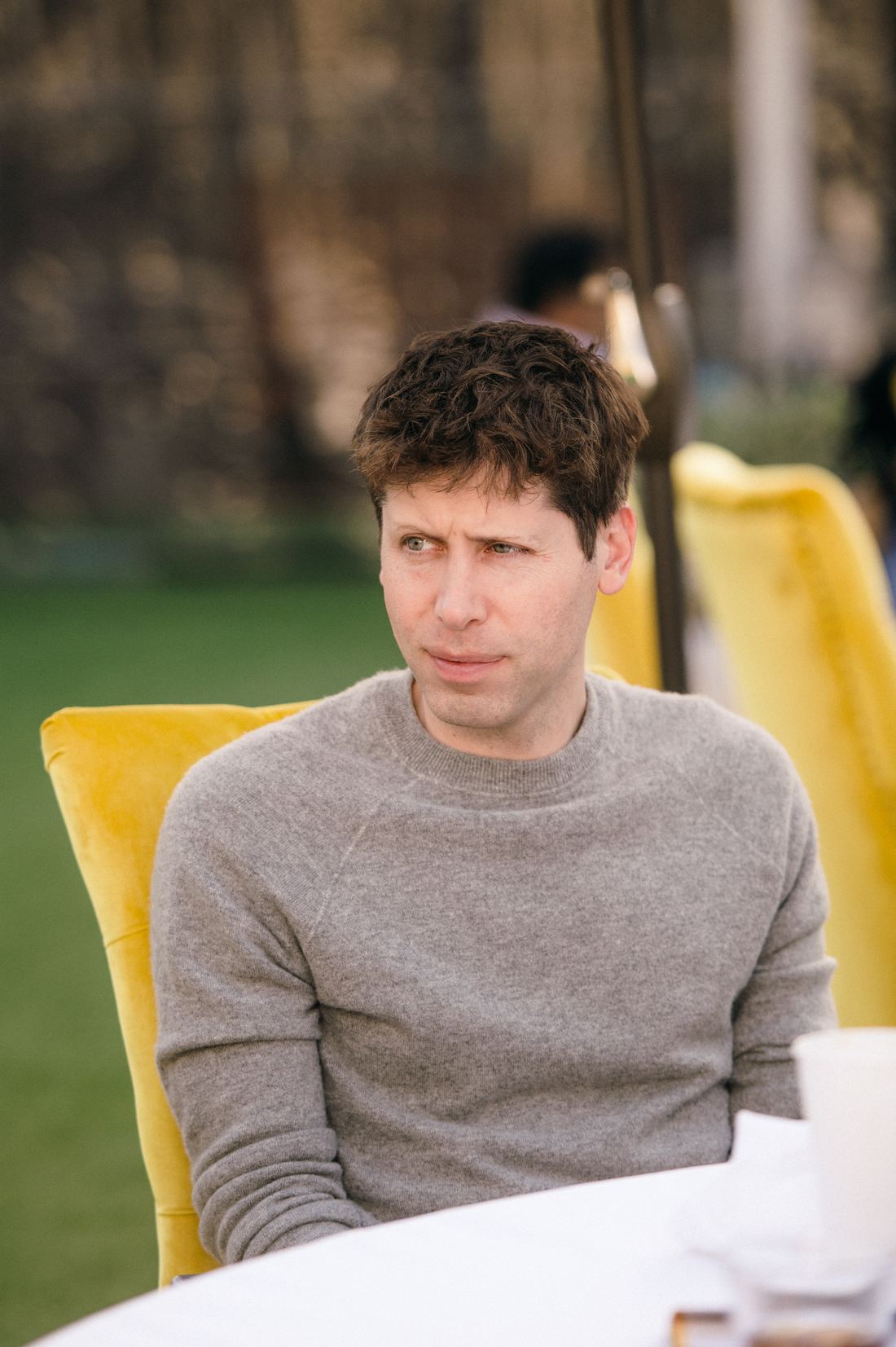
- OpenAI: Introducing ChatGPT
- The Globe and Mail: ChatGPT sets record for fastest-growing user base, analyst note says
- Engadget: ChatGPT reportedly reached 100 million users in January
Facts on this page were checked against these sources.
- Chat assistants moved onto everyday phones: Dennis Cortés cortes, CC0
- Sam Altman, OpenAI's CEO, in 2022: Village Global, CC BY 2.0
- Short photos: BalticServers data center.jpg - BalticServers.com (CC BY-SA 3.0) via Wikimedia Commons | Diverse people using phones.jpeg - Rawpixel Ltd (CC BY 2.0) via Wikimedia Commons | Crowd of people with phones.jpg - Rawpixel Ltd (CC BY 2.0) via Wikimedia Commons | Sam Altman CropEdit James Tamim.jpg - TechCrunch (CC BY 2.0) via Wikimedia Commons | Ilya Sutskever and Sam Altman in TAU.jpg - Eladkarmel (CC BY-SA 4.0) via Wikimedia Commons | Business people using their phones.jpg - Rawpixel Ltd (CC BY 2.0) via Wikimedia Commons | Norwegian keyboard by Dell.jpg - Profzed (CC BY-SA 4.0) via Wikimedia Commons | A man using a cell phone to take a photo.jpg - Boaventuravinicius (CC BY 4.0) via Wikimedia Commons
Text written by Strawberry Lemonadai.
← The T in GPT: The 2017 Transformer PaperAlphaFold and the 2024 Chemistry Nobel →


.jpg)
