
Deep Blue vs Kasparov, 1997
The day a computer beat the champion. In May 1997 IBM's Deep Blue beat world chess champion Garry Kasparov in a six-game match. How the machine worked and why the result mattered.
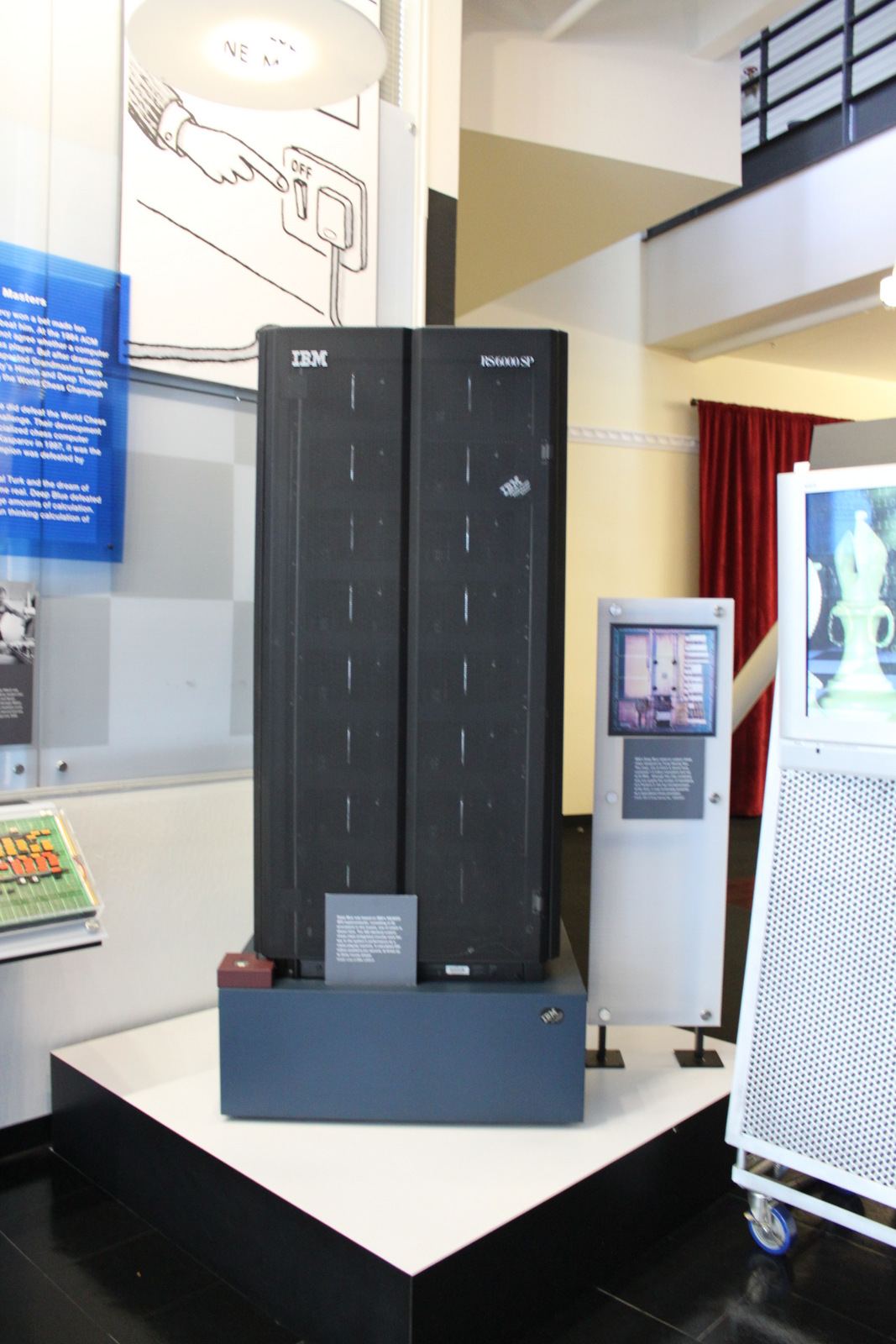
A Deep Blue cabinet at the Computer History Museum: Anton Chiang from Cupertino, CA, USA, CC BY 2.0
Two matches, one famous result
The first meeting came in February 1996 in Philadelphia. Deep Blue won the opening game, the first time a computer had beaten a reigning world champion in a game under normal tournament time controls, but Kasparov recovered and took the match 4 to 2. IBM's team went back to work, upgraded the hardware and tuned the program with help from grandmasters.
The rematch in New York in May 1997 was a media event. Kasparov won game one, Deep Blue struck back in game two, and three draws followed. In the sixth and final game Kasparov collapsed in just 19 moves. Deep Blue took the match 3.5 to 2.5.
Video: Deep Blue vs Kasparov: How a computer beat best chess player in the world - BBC News (BBC News), embedded from YouTube.
A computer beat the world chess champion in 1997
In May 1997 IBM's Deep Blue beat Garry Kasparov 3.5-2.5, the first match win by a computer over a reigning world chess champion.
YouTube @StrawberryLemonadAI (launching soon). Photos in this Short: IBM Deep Blue at Computer History Museum (9361685537).jpg - Anton Chiang from Cupertino, CA, USA (CC BY 2.0) via Wikimedia Commons | Garry Kasparov (37097592314).jpg - Gage Skidmore from Peoria, AZ, United States of America (CC BY-SA 2.0) via Wikimedia Commons | Chess game Staunton No. 6 perfil view 8.jpg - Wilfredor (CC0) via Wikimedia Commons | Chess game Staunton No. 6.jpg - Wilfredor (CC0) via Wikimedia Commons | Paris - Playing chess at the Jardins du Luxembourg - 2966.jpg - Jorge Royan (CC
How Deep Blue played
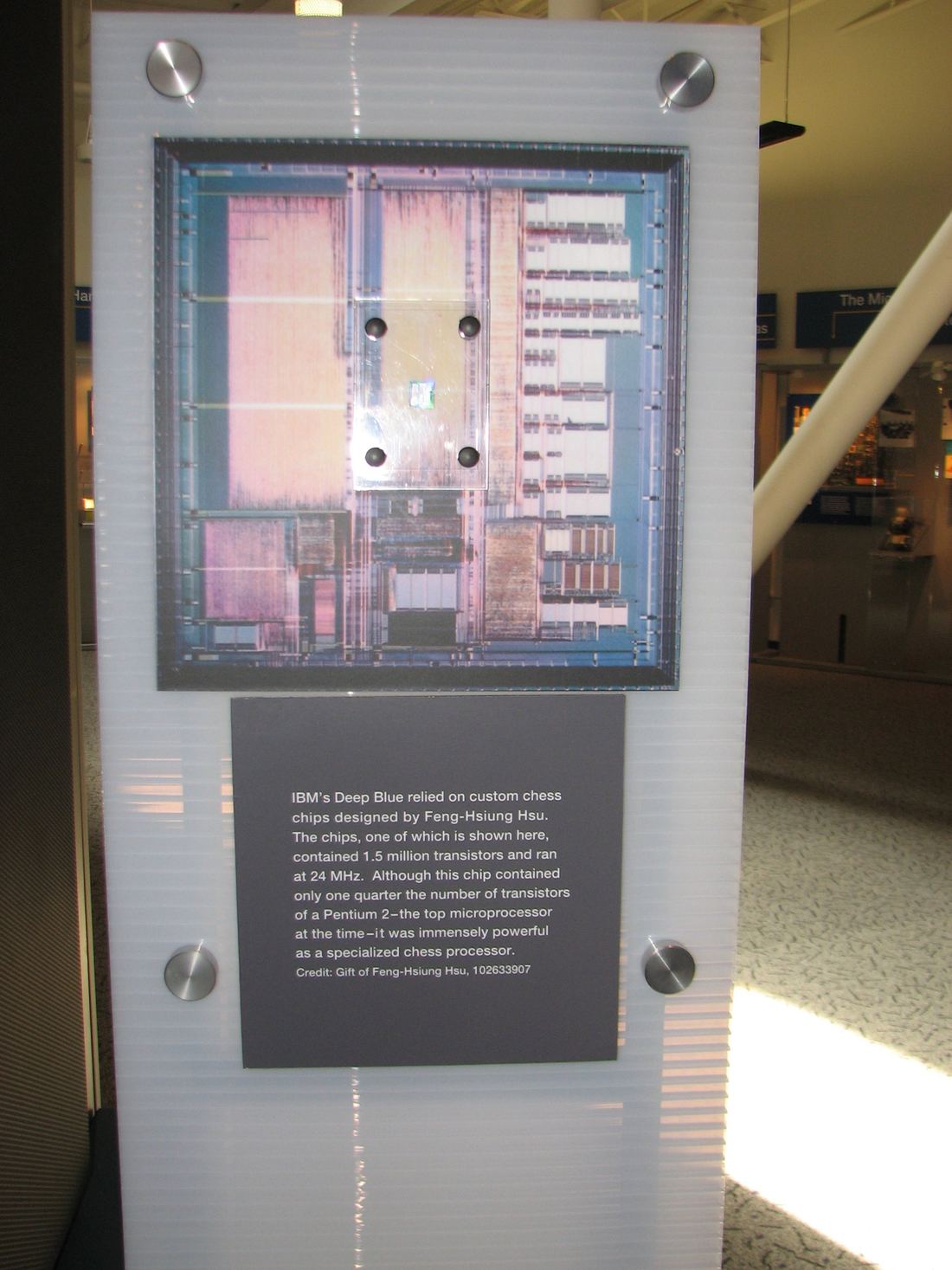
Deep Blue did not learn chess the way modern AI systems do. It was a supercomputer running a carefully hand-built program. Its heart was a set of custom chess chips that could generate and score moves very quickly, letting the system examine about 200 million positions per second in favorable conditions.
Strategy came from an evaluation function, a long list of weighted features such as material, king safety and pawn structure that human experts helped design. The machine also drew on an opening book and endgame databases. In short, it won by searching deeper and more precisely than any person could, guided by human chess knowledge.
Controversy at the board
Kasparov was shaken by a quiet, human-looking move in game two and questioned whether people had intervened during play. IBM denied it, and later analysis found no evidence of cheating. Kasparov asked for a rematch, but IBM declined and retired the machine. Years later he wrote about the match in a more reflective tone and became a well-known voice on how people and machines can work together.
Why it still matters
Chess had long been seen as a test of the highest kind of human thinking, so the result felt like a cultural turning point. Yet Deep Blue could do nothing but chess. That gap between narrow skill and general intelligence is still a central theme in AI.
The match also hints at what came next. Two decades later, systems such as DeepMind's AlphaZero learned chess largely by playing against themselves rather than relying on hand-written rules. Today one of Deep Blue's two cabinets is at the Computer History Museum in California and the other is at the Smithsonian in Washington.
- IBM: Deep Blue
- History.com: Deep Blue defeats Garry Kasparov in chess match
- Wikipedia: Deep Blue (chess computer)
- Wikipedia: Deep Blue versus Kasparov, 1997, Game 6
Facts on this page were checked against these sources.
- A Deep Blue cabinet at the Computer History Museum: Anton Chiang from Cupertino, CA, USA, CC BY 2.0
- One of Deep Blue's processor boards: Erik Pitti from San Diego, CA, USA, CC BY 2.0
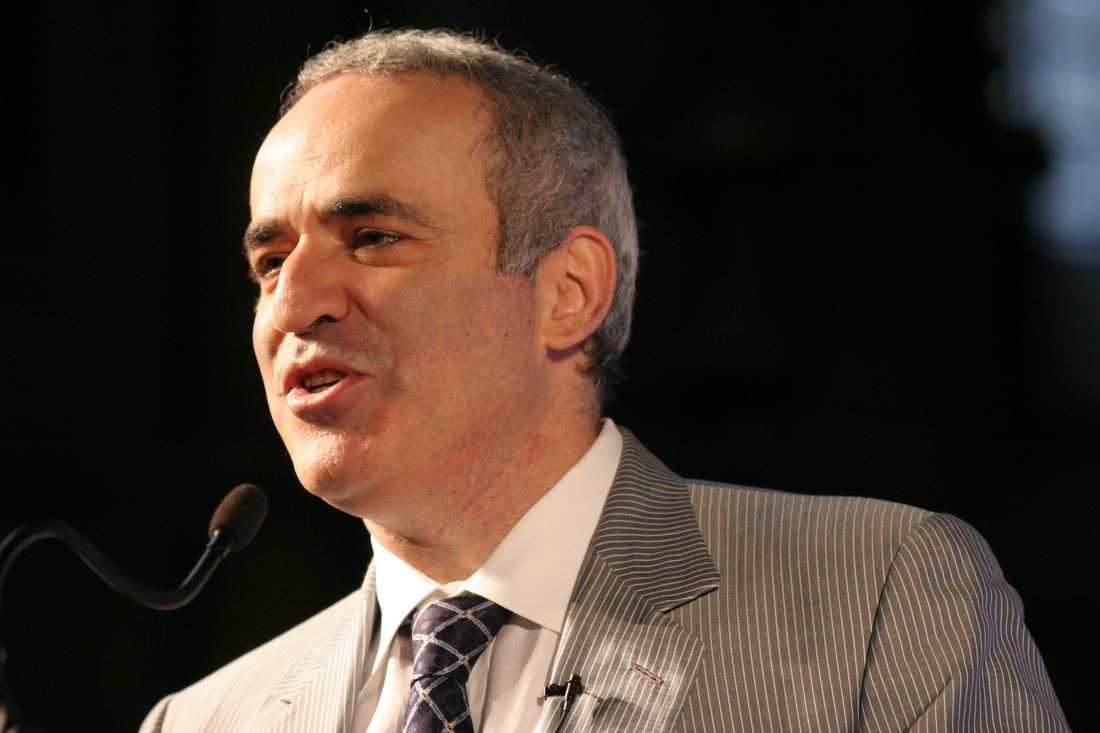
- Garry Kasparov in 2012: David.Monniaux, CC BY-SA 3.0
- Short photos: IBM Deep Blue at Computer History Museum (9361685537).jpg - Anton Chiang from Cupertino, CA, USA (CC BY 2.0) via Wikimedia Commons | Garry Kasparov (37097592314).jpg - Gage Skidmore from Peoria, AZ, United States of America (CC BY-SA 2.0) via Wikimedia Commons | Chess game Staunton No. 6 perfil view 8.jpg - Wilfredor (CC0) via Wikimedia Commons | Chess game Staunton No. 6.jpg - Wilfredor (CC0) via Wikimedia Commons | Paris - Playing chess at the Jardins du Luxembourg - 2966.jpg - Jorge Royan (CC BY-SA 3.0) via Wikimedia Commons | Garry Kasparov European Union 2023 (cropped).jpg - Lukasz Kobus (CC BY 4.0) via Wikimedia Commons | Virginia Tech - data center.jpg - Christopher Bowns (CC BY-SA 2.0) via Wikimedia Commons
Text written by Strawberry Lemonadai.




.jpg)
.jpg)
