
GPUs: Why AI Runs on Graphics Chips
From video games to AI supercomputers. Graphics chips were built for video games, but their thousands of parallel cores turned out to be perfect for training AI. Here is why.
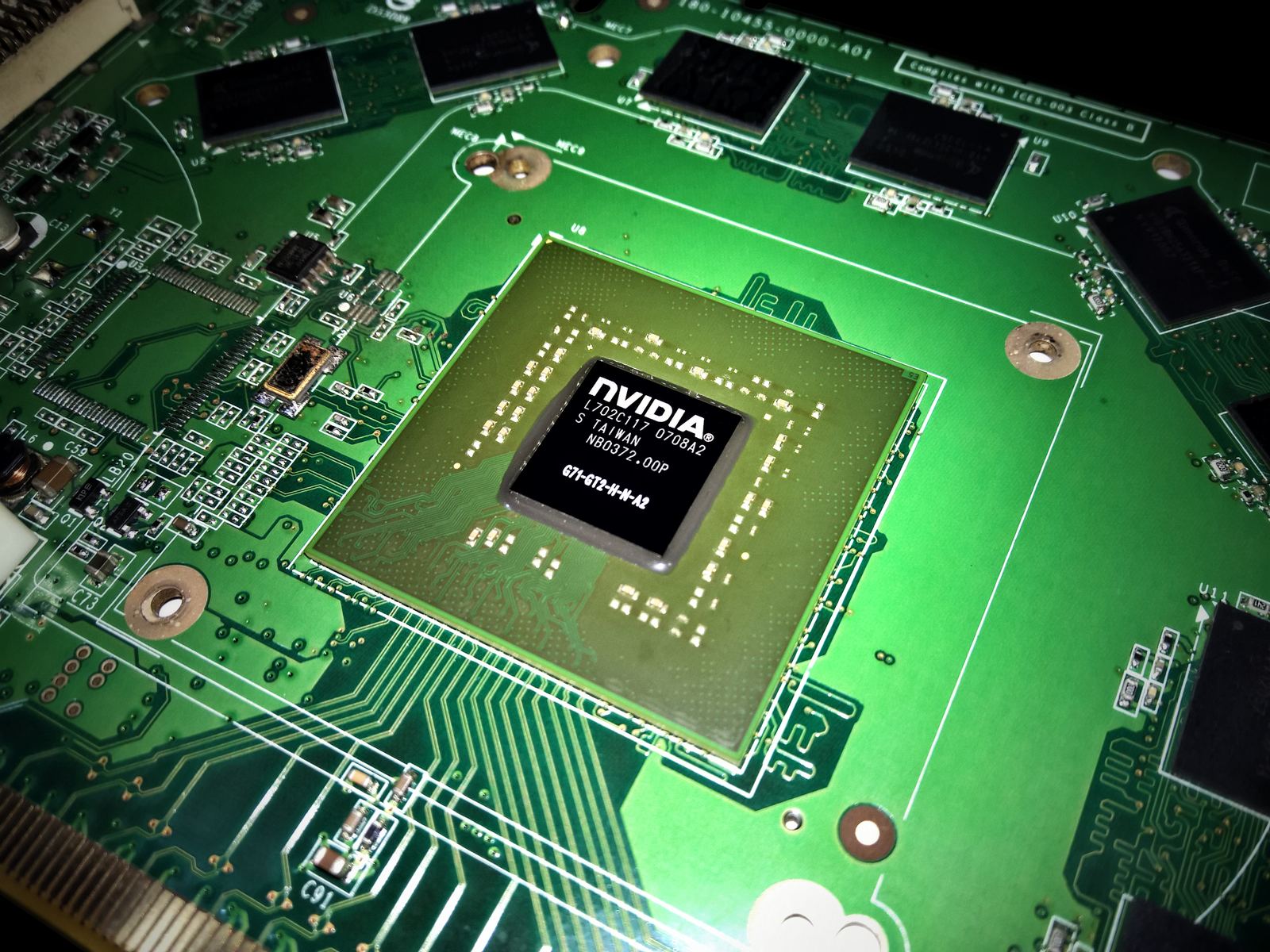
A graphics processor from the mid-2000s: Diego3336, CC BY 2.0
Built to paint pixels
A computer's main processor, the CPU, is like a small team of brilliant generalists. It handles a few tasks at a time very quickly and can switch between all sorts of jobs. A graphics processing unit is more like a stadium full of workers who each do simple arithmetic, all at the same moment.
That design came from video games. Drawing a 3D scene means calculating the color of millions of pixels many times per second, and each pixel can be worked out mostly on its own. So graphics chips grew thousands of small cores that run the same kind of math in parallel.
Video: How do Graphics Cards Work? Exploring GPU Architecture (Branch Education), embedded from YouTube.
Why AI needs that kind of math
Neural networks spend nearly all their time multiplying large grids of numbers, called matrices, and adding up the results. Every one of those multiplications is simple, and many can happen at once. That is exactly the workload GPUs were designed for.
In 2007 Nvidia released CUDA, software that let programmers use graphics chips for general calculations, not just pictures. Researchers soon found that neural networks trained many times faster on GPUs. In 2012 AlexNet, trained on two consumer gaming cards, won a landmark image recognition contest and helped start the deep learning boom.
From one card to giant clusters
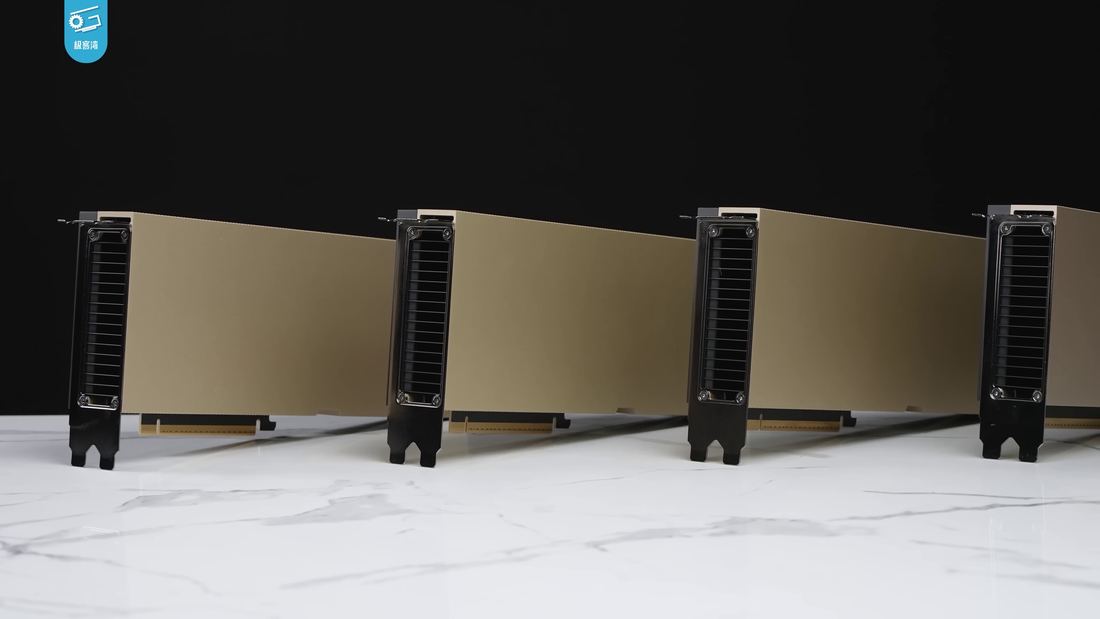
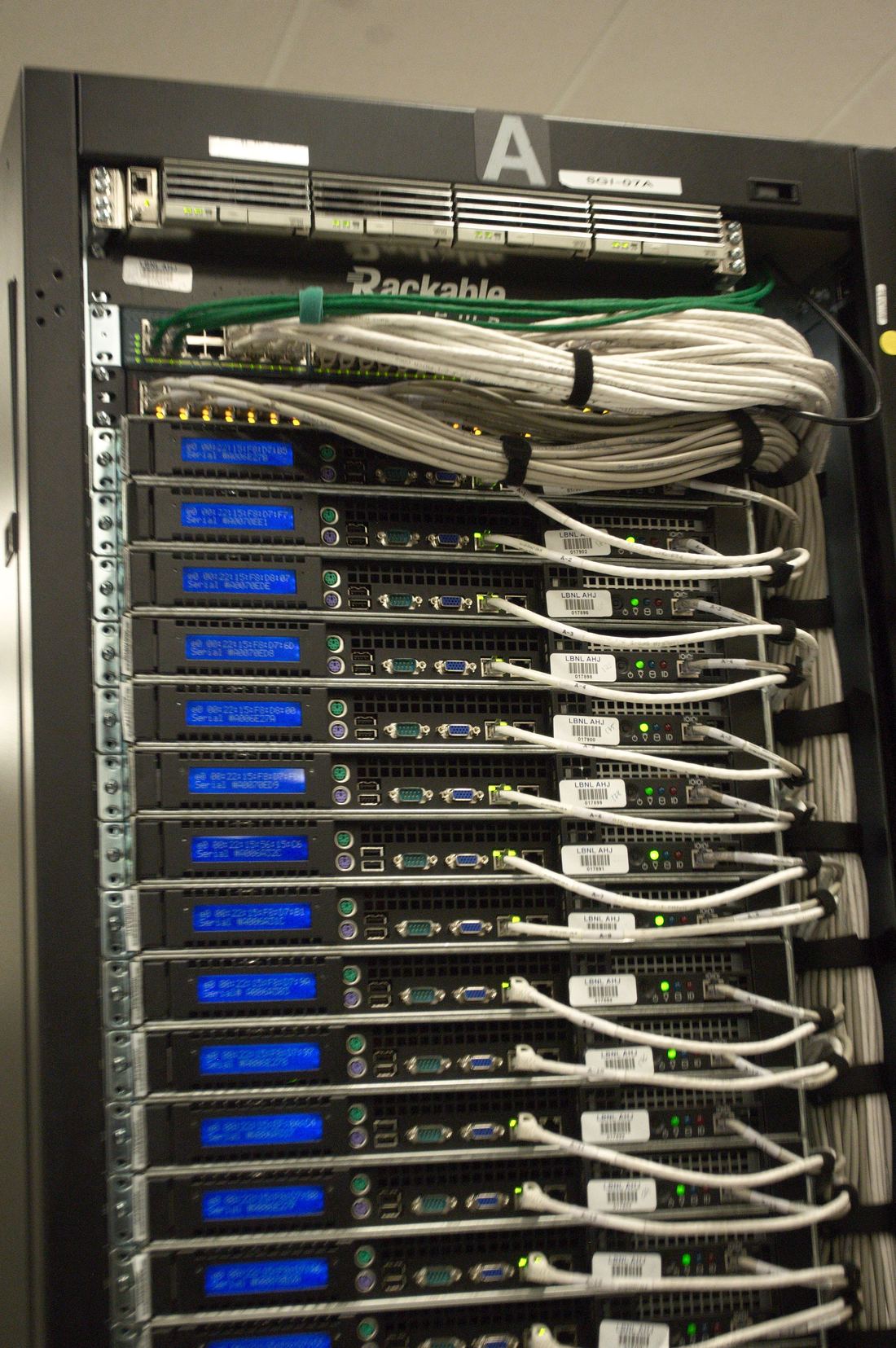
Modern AI chips are far beyond gaming cards. Data center accelerators include special units for matrix math, very fast stacked memory, and high-speed links so thousands of chips can work as one. Training a leading language model can occupy tens of thousands of such chips for weeks, inside buildings that need enormous amounts of electricity and cooling.
GPUs are not the only option. Google designs its own Tensor Processing Units, and other companies build custom chips for AI. Phones and laptops increasingly include small neural processing units to run AI features locally.
Why it matters to you
The supply and cost of these chips shape which companies can build the biggest models, what AI services cost, and how much energy the industry uses. They are also why many AI tools run in the cloud rather than on your own device. When you hear that AI is limited by compute, this is what people mean: how many of these parallel math engines can be built, powered and kept cool.
- Wikipedia: CUDA
- Wikipedia: AlexNet
- Tom's Hardware: Two GTX 580s in SLI are responsible for the AI we have today
Facts on this page were checked against these sources.







_011.png)
